

In 2026, building a remote company culture is no longer a matter of choosing the right chat app. It’s about architecting a human experience in a digital world. While we’ve mastered remote productivity, the challenge of this year is solving for the “isolation gap.” If your team feels like a collection of profile pictures rather than a community, you aren’t just losing culture; you’re losing your competitive edge.
To create the best remote company culture, leadership must shift from monitoring availability to fostering genuine presence. Here is how the remote work impact on company culture has evolved in 2026 and what you can do to lead the charge.
1. Escaping the "Green Dot" Trap
The most dangerous myth in 2026 is that a green status icon equals engagement. We call this the “Green Dot” Trap. When a culture revolves around being “seen” online, employees fall into a cycle of performative availability—jiggling mice or staying logged in just to prove they are working. This doesn’t build trust; it builds burnout.
To counter this, forward-thinking teams are ditching static lists for an immersive “Office View.” Platforms like Roam allow you to see your team in a shared, virtual space.
The Difference: Seeing a colleague “walk” to a virtual whiteboard or “stand” in a huddle creates a sense of ambient awareness.
The Result: It replaces the anxiety of the green dot with the natural energy of a shared workspace, making the office feel alive.
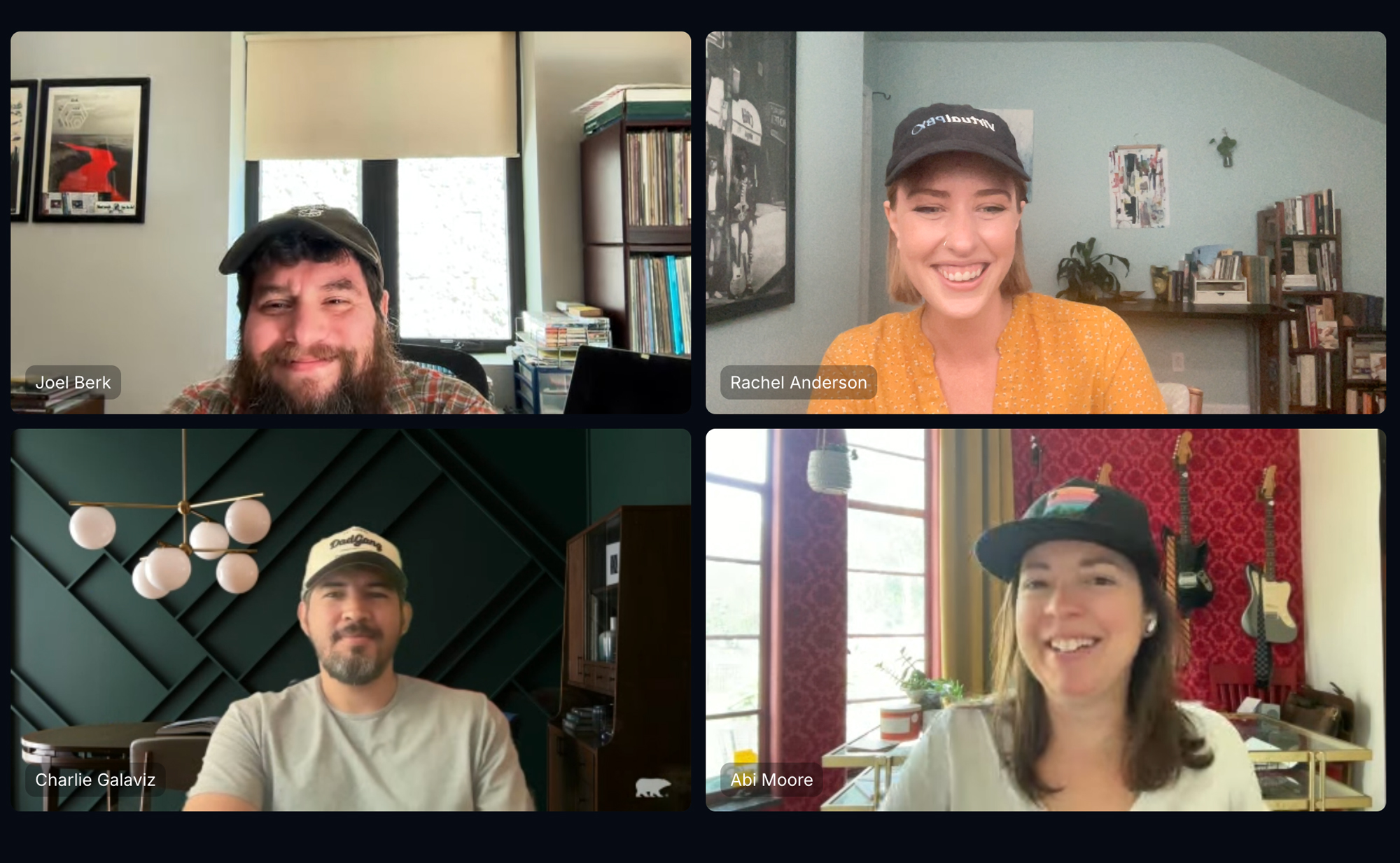
2. Natural Interaction: The Power of Video-On
We’ve all had the “Zoom fatigue” talk, but in 2026, we know that natural interaction requires visual cues. In a physical office, 90% of communication is non-verbal. When we default to “camera-off,” we lose the nods of agreement, the smiles, and the micro-expressions that build “human” trust.
Trust Through Visibility: It’s much harder to misinterpret feedback when you can see the supportive expression on a manager’s face.
Building a Human Connection: Seeing the “real” person—the person who laughs at your jokes or reacts to your ideas—is the foundation of psychological safety.
2026 Pro-Tip: Don’t mandate cameras for every call, but prioritize them for 1:1s and brainstorming where emotional nuance is the key to collaboration.
3. Remote Company Culture Ideas: Creating Shared History
In a traditional office, you learn about coworkers by seeing the photos on their desks. In a digital environment, you have to be deliberate about creating a shared personal history. Without it, coworkers are just names on a screen.
Try these remote company culture ideas to make your team feel “real”:
“Show Me Your Desk” Quizzes: Have everyone snap a photo of their actual workspace (wires, coffee mugs, and all) and have the team guess whose desk is whose.
The “First Job” Story: Sharing that your CEO once spent a summer as a mascot or a car wash attendant builds an instant, human bond.
Personal Artifacts: Use these small windows into someone’s life to turn a “resource” into a neighbor with a story.
4. The Social Experience: The 5-Minute Lifeline
We must acknowledge a heavy reality: for some remote workers, a morning stand-up might be their only human interaction that day. According to a recent KPMG survey, work friendships are vital; 83% of professionals feel work friendships help them feel more engaged, and 80% feel more connected to their workplace because of them.
However, the survey also notes that 58% of employees feel an over-reliance on digital channels is a major barrier to developing these connections. This is why a proactive remote company culture is essential. Managers aren’t just project leaders; they are the primary touchpoints for a human being’s social well-being.
Making Every Check-in Count
The 5-Minute Buffer: Dedicate the start of every meeting to “non-work” talk. This isn’t “wasted time”; it’s the social glue that prevents attrition.
“Red, Yellow, Green” Checks: Start with a status on how people are actually feeling. Since 25% of employees experience feelings of isolation, these checks can be a lifeline.
Final Thoughts: Culture is an Action
Your remote company culture is not a static document in a cloud drive; it is the sum of every digital interaction. By escaping the Green Dot Trap, prioritizing video for trust, and intentionally building personal history, you can create a remote environment that feels every bit as “real” as a brick-and-mortar office.
How are you keeping your team “real” in 2026? If you’re looking for more ways to bridge the gap between “working” and “belonging,” start by turning your next status update into a human conversation.