Small businesses do not need more communication software. They need fewer interruptions.
That is the promise of a great web phone. It should not just let you place and receive calls in the browser. It should remove friction from the work surrounding the call: checking a voicemail, reviewing a recording, confirming what just happened, and moving to the next conversation without breaking your flow.
That is the direction we are continuing to push with our latest Web Phone Release, which launched on Friday, April 17.
With voicemail transcriptions, a floating dialer, and call recordings now accessible directly in the Web Phone, we are making it easier to manage more of the calling experience in one place. That means less jumping between screens, fewer broken workflows, and a smoother experience for the teams that rely on business calling all day.
The Current State of Business Phones
For years, business phones were tied to a desk, a device, or a specific setup. That model no longer matches how small businesses operate.
Teams are more distributed. Work happens across laptops, home offices, shared spaces, and everywhere in between. Employees need to be able to log in, get to work, and stay connected without being anchored to a single piece of hardware.
That is why browser-based calling matters.
A web phone lowers the barrier to getting started, gives teams more flexibility, and makes business communication easier to access from virtually anywhere. For small businesses, that is not just convenient. It is strategic. The more easily a team can pick up calls, respond to customers, and keep work moving, the more resilient that business becomes.
But accessibility is only half the story. A web phone is not valuable just because it lives in the browser. It is valuable when it becomes the place where work actually happens.
That is the standard we are building toward.
This Web Phone Release Was Designed Around Real Work
The best product improvements usually come from noticing the small moments that slow people down.
A missed voicemail should not send you hunting through another part of the platform. A live call should not prevent you from checking the information you need. A recording should not feel buried somewhere separate from the rest of your workflow.
These are not dramatic problems, but they are the kind that add up. They chip away at speed, focus, and confidence throughout the day.
So we made a deliberate set of changes to bring more of the call workflow into the Web Phone itself. Not because “more features” is the goal. It is not.
The goal is a calling experience that feels more immediate, more unified, and more in step with how small businesses actually work.
What's New in the latest Web Phone Release
Voicemail Transcriptions in the Web Phone
When a voicemail comes in, speed matters. Sometimes you need to know right away whether it is urgent, whether it needs a callback, or whether it can wait.
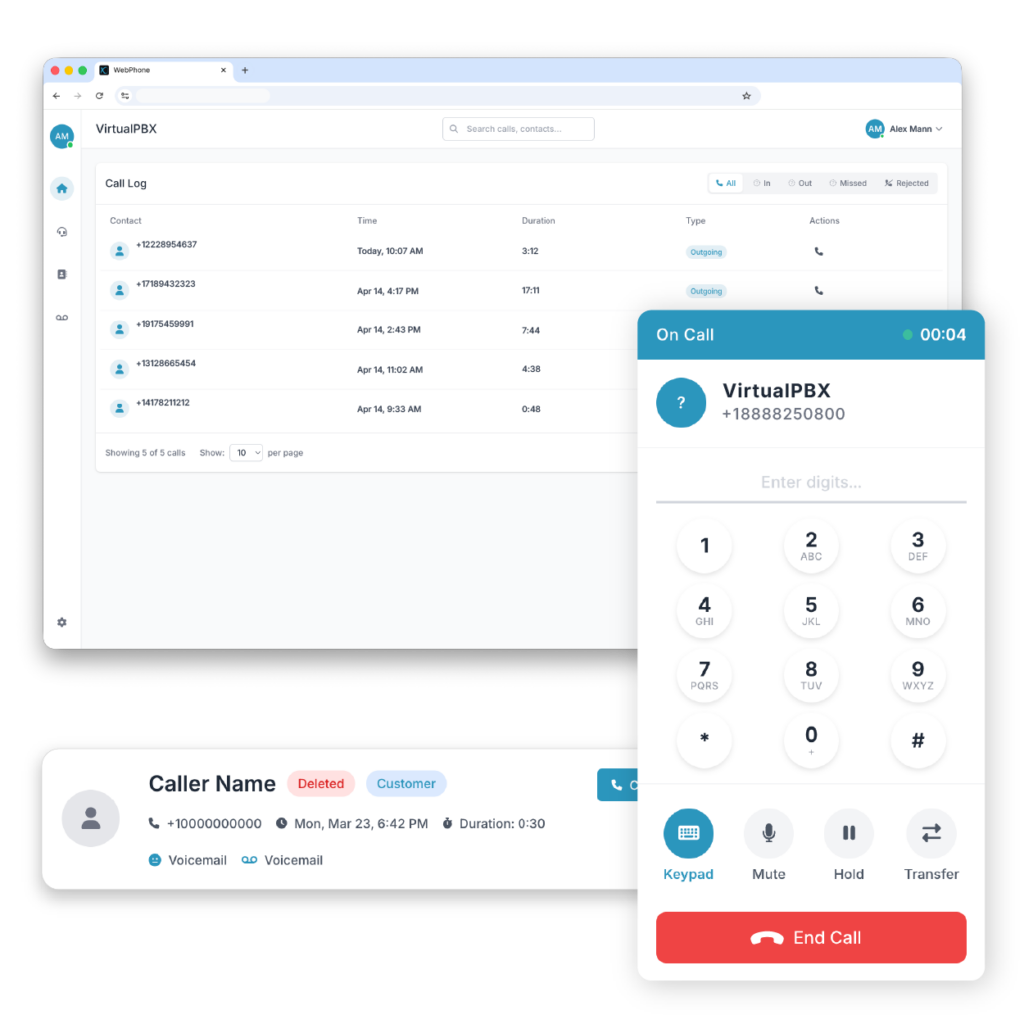
That is why voicemail transcriptions now appear directly inside the Web Phone. Instead of stopping your workflow to listen through each message one by one, you can quickly scan the transcript, understand the context, and decide what to do next.
From there, you can copy the transcript, play the message, download the recording, or delete it without leaving the interface.

A Floating Dialer That Keeps the Call in View
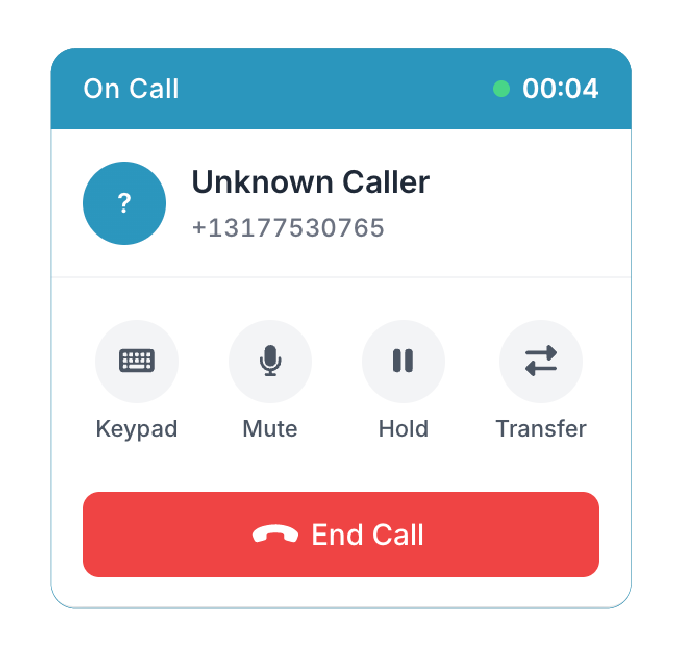
Calls rarely happen in isolation. While you are talking, you may need to reference a recent interaction, check your call history, or confirm a setting.
The new floating dialer makes that possible without forcing you to choose between staying on the call and navigating the rest of the Web Phone. It keeps the conversation accessible while giving you room to move.
That is a small design change with a meaningful payoff: less disruption in the middle of active work.
Call Recordings, Right Where They Belong
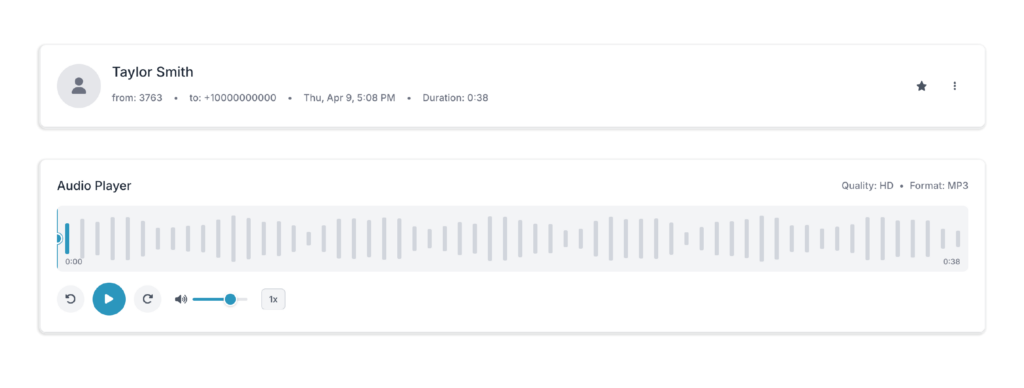
Call recordings should be easy to review, whether for follow-up, coaching, or simply confirming details after a conversation ends.
With this release, personal and team call recordings are available directly within the Web Phone interface. There is no need to break your rhythm by going somewhere else to find them.
That shift may sound simple, but it reflects a bigger product principle: the tools people use most should live as close as possible to the work itself.
Building for the Realitities of Small Business Communication
Small businesses do not have time for bloated workflows. They need communication tools that are fast to access, easy to understand, and built to support the pace of real customer conversations.
That is why we continue to invest in the Web Phone experience.
Browser-based calling is already a powerful model for modern teams. It offers flexibility, faster access, and freedom from unnecessary hardware constraints. But the bigger opportunity is not just mobility. It is consolidation. It is turning the Web Phone into a place where more of the work around calls can happen naturally, without friction.
This latest Web Phone Release is a step in that direction.
And it is the kind of step we think matters most: not louder, just smarter. Not more for the sake of more, but better aligned with what customers actually need.
The Web Phone is available exclusively through VirtualPBX business phone service. No upgrade or installation is required; VirtualPBX customers will automatically see the new experience the next time they log in to the Web Phone.