
What makes a small business great? Well, it’s not the massive budget and it’s certainly not the slushy overhead. It’s the personal touch, the direct relationships, and the care we put into every result. When every conversation matters, every connection counts. It’s heart that drives the hustle, keeps the team together, and builds community.
Over the years, we’ve learned to leverage our tools and adapt our responses to stay efficient without losing the things that make us, us. It’s helped us stay strong, stay lean, and keep playing the game, no matter how tight the margins get. It’s our small business communications audit and here’s what we do:
We're not going to beat around the bush here...
Communication is the last thing you should cut
Most established customers aren’t going to leave because of small price changes. But they do leave when they can’t reach you, or the experience feels like the bottom’s falling out. If the economy is at all rocky, silence is deadly for small businesses like ours.
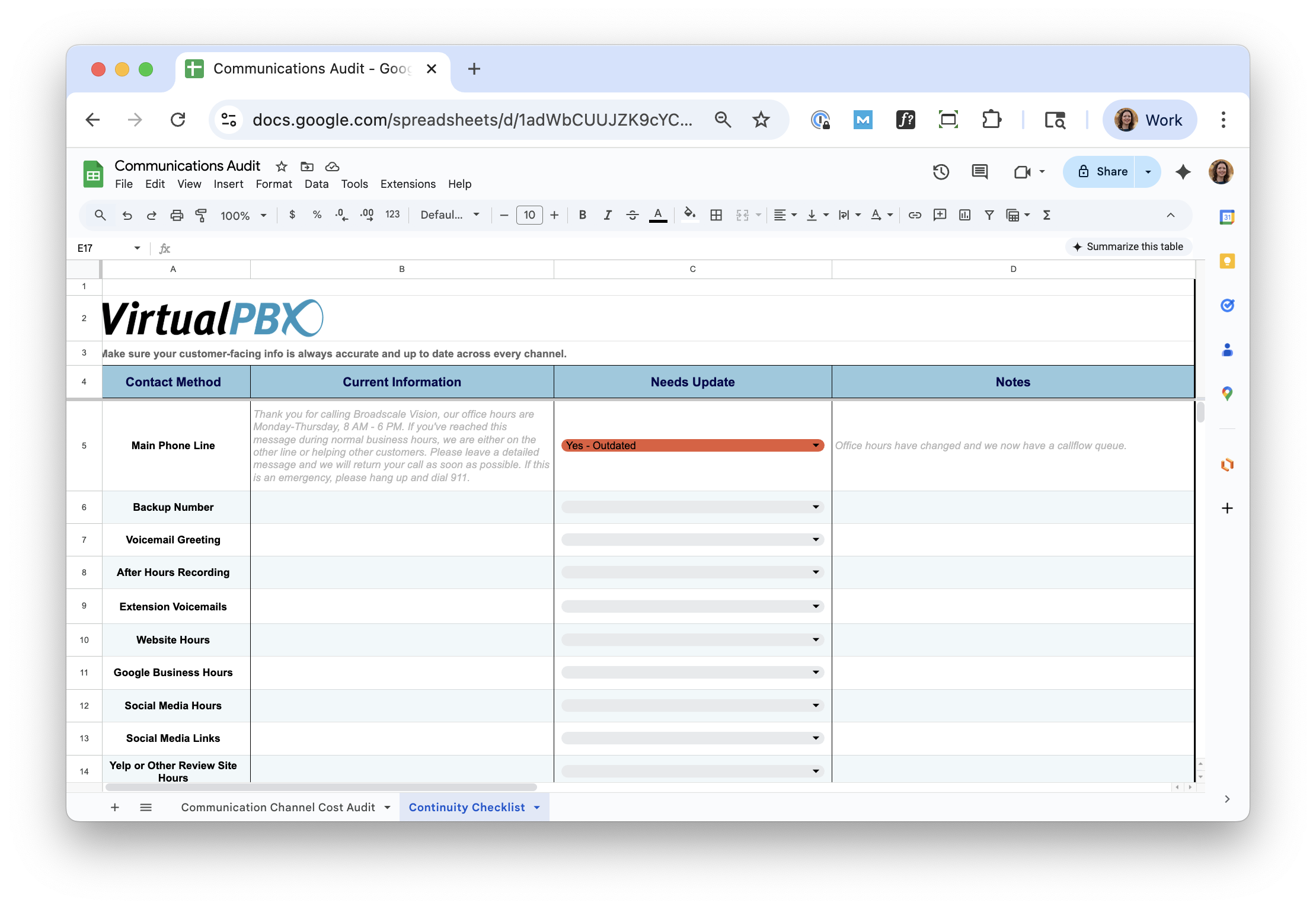
It may seem like a given, but do this quick continuity checklist today:
- Do customers know how to reach you?
- Do you have a backup contact method?
- Are your hours clearly listed and consistent EVERYWHERE?
We know they seem like no-brainers, but these small checks don’t require new tools and they make a noticeable difference in customer trust. If you’ve adjusted your hours, closed on a different day of the week, or have a phone that goes to voicemail at 5, your customers will start to assume you’re not around and move on.
Even better, set a repeating calendar event to update the audit every 3-6 months, ensuring the details for your business are always up to date. We’ll even get you started with a free template.
Forget Quiet Quitting, Quiet Scale Instead
Scaling back doesn’t have to look like scaling down. With tools like auto-attendants and call routing, your business can adjust its size without customers ever noticing. From the outside, everything looks smooth and steady, even if you’re tightening the belt behind the scenes.
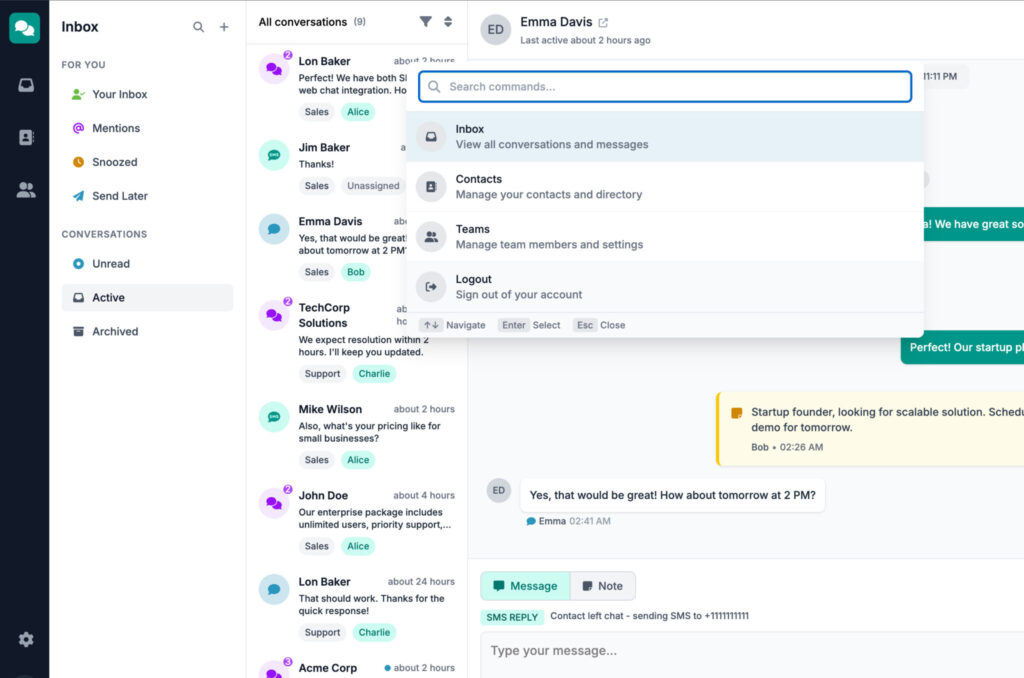
Start by separating your essential communication tools from the “nice to haves.” Essentials are the channels your customers and prospects are on and the ones you need to keep alive; the rest can be consolidated or automated. For example, our new messaging pilot combines website chat, SMS, and email into one inbox, so you’re not doubling the work and maintaining multiple tools.
The same principle applies across your digital footprint. If you’re juggling multiple social channels, consider closing out the channel least visited by your prospects and customers, then letting a couple others run on auto-pilot with light-lift content. Or if you manage multiple websites, streamline to one strong site instead of several half-maintained or hard-to-maintain alternates. Outdated channels create more damage than good, and disappearing from the noise lets you look sharper, more current, and more in control.
You've Already Got A Phone Number, Make it Work Harder
One of the easiest ways to look professional (and cut costs) is to keep your business communication under a single, consistent number. Customers shouldn’t have to guess which number to call or text, and you definitely don’t want to rely on your personal cell for business. Not only does that blur the lines, but down the road, it becomes a big headache when you try to separate personal from professional.
With VirtualText, you can text directly from your main business line. That means appointment reminders, follow-ups, and even quick customer updates can all come from the same number people already call you on. And because texting is included in Business Phone plans, you don’t have to pay for a second service.
Yes, it may take a bit of setup to automate or integrate reminders from your existing apps, but the payoff means you’re also not juggling multiple platforms (and bills). Customers see a polished, reliable business. You see fewer costs and less chaos to keep track of.
Professionalism Doesn't Have to Cost Anything
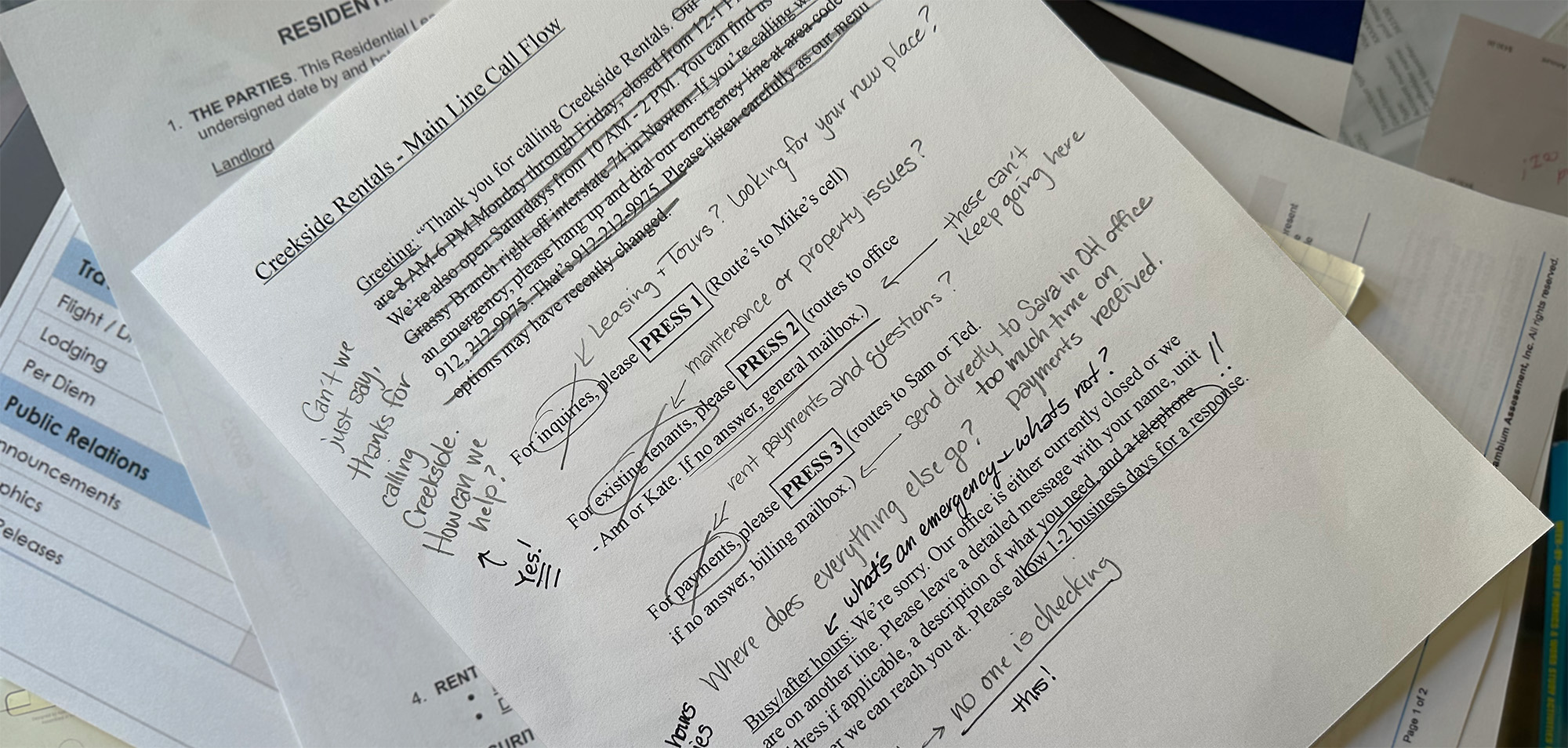
Customers interpret professionalism through small cues: clear voicemail greetings, consistent business hours, and fast response times. Here’s a quick voicemail script you can copy today:
Before: “Hi, this is [James with] Delta Construction. We can’t get to the phone, but leave a message and someone will call you back.”
Revised Script Example
“Thanks for calling Delta Construction. To talk with scheduling, please press 1. To discuss an invoice, please press 2. To talk with your construction manager, please press 3. If this is an emergency, please call or text 650-222-4343. We appreciate your business and have a great day.”
Thoughtful details like this make you look reliable. With a system like Business Phone, you can automate greetings and call routing, but professionalism starts with the basics.
Use What You've Got
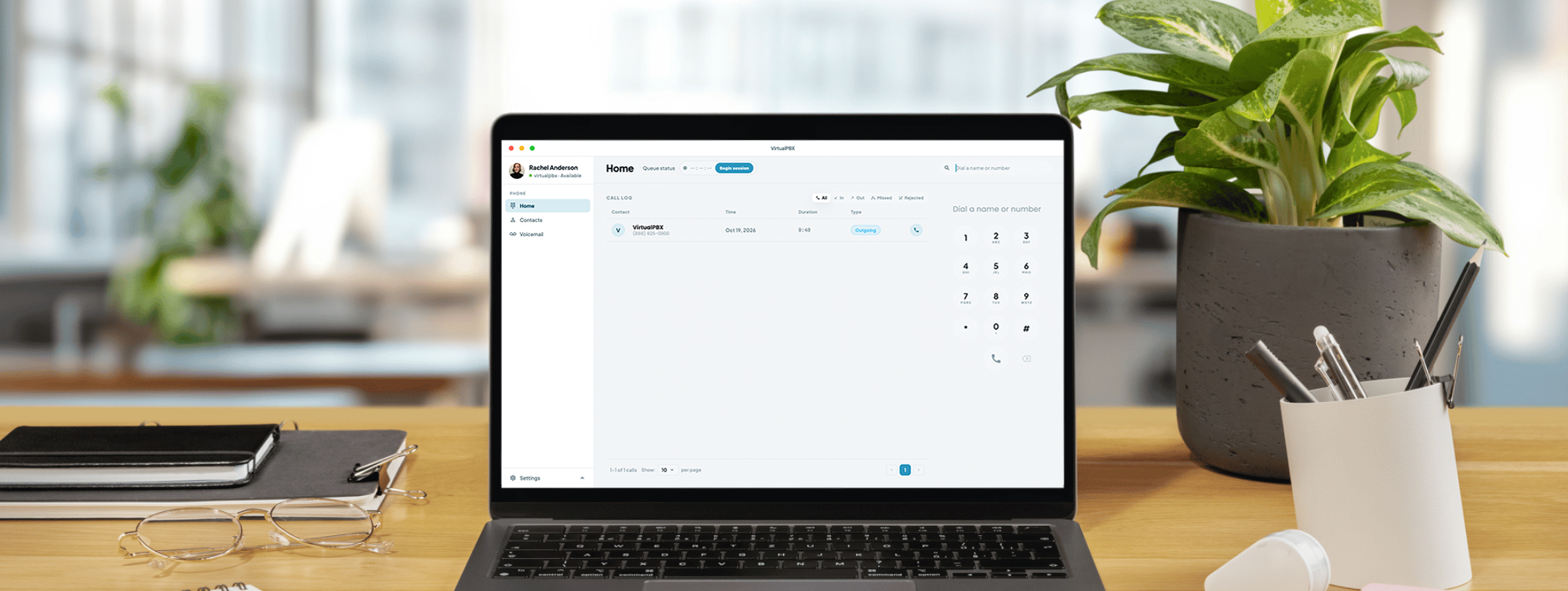
Look for ways to stretch the life of your current tech. Today’s phone systems often work with the desk phones, cell phones, and computers you already have. Many softphone and web phone apps can turn your computer or mobile device into a business-ready phone line for absolutely no cost. It’s about being resourceful, and making smart use of what’s right in front of you.
Make Communication Data Your Early Warning System
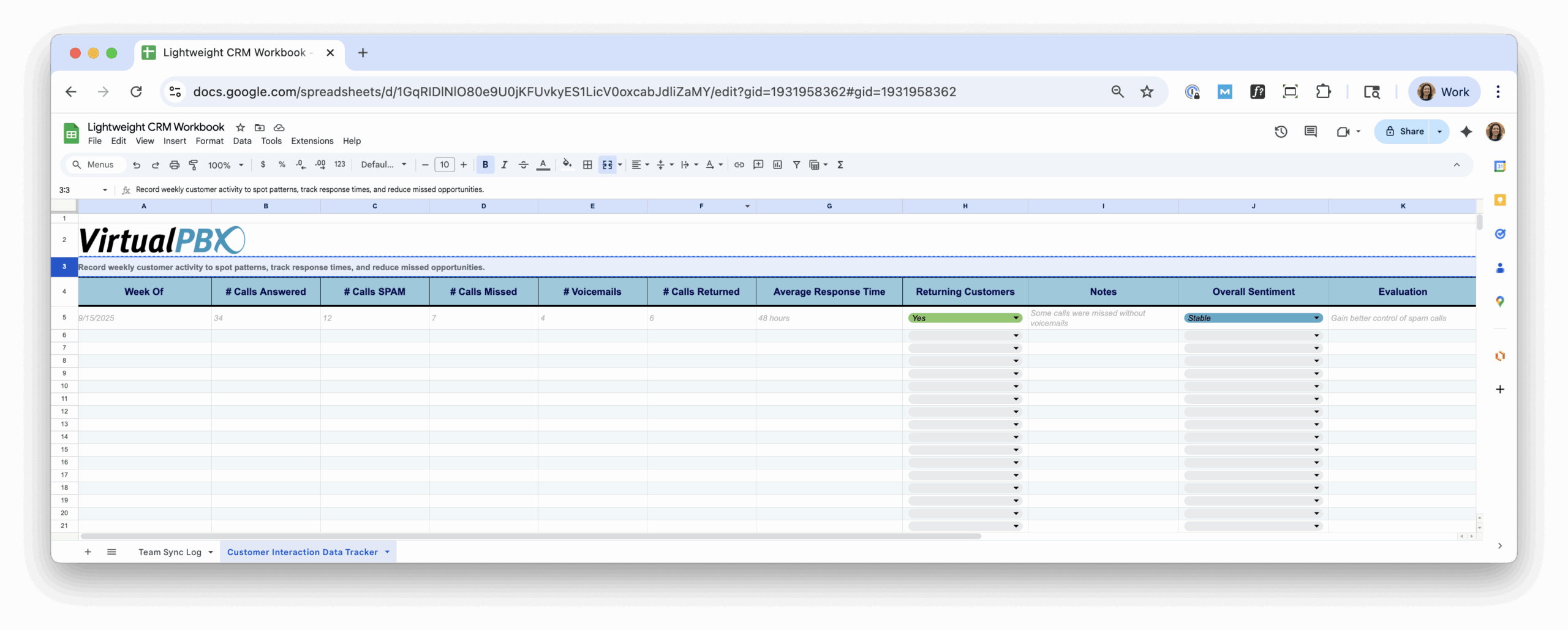
You don’t need a data science team to track your communication health. A few simple metrics can alert you to trouble:
- How many customer calls did you miss this week?
- What was your average response time?
- Are repeat customers reaching out less frequently?
Keep Everyone In The Loop
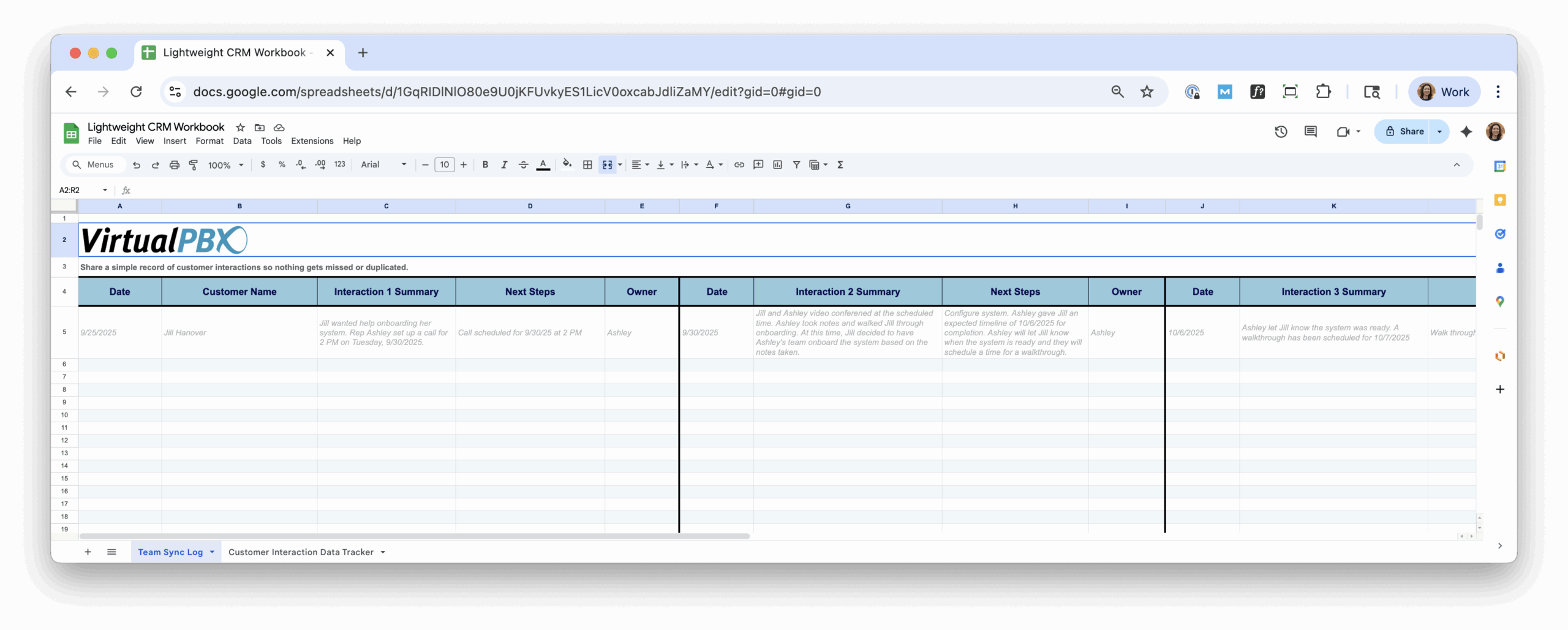
The biggest cost in lean times is duplicated effort. And it doesn’t take extra meetings to avoid it. The rule is simple: log every customer interaction somewhere visible. That can be your CRM or it can be a free Google doc. Just make a system that everyone will use to keep track of the details.
This keeps everyone aligned, prevents repeated follow-ups, and keeps your valued customers from falling through the cracks, especially if you’re short handed.
Our new messaging pilot can do a lot of this for you in a single inbox and it’s free for the first 3 months when you join the waitlist. But even moving to any cloud-based system can make this easier, reducing hardware costs and giving your team mobility for remote or flexible work setups.
Have you Considered Remote?
If any of your team members can work remotely, you can reduce the overhead of an office seat while still staying connected through tools you’re likely already using. If you think this could be part of your future, consider cloud-based and browser-based systems that give you and your team the flexibility to work outside of a traditional office space, while still being 100% part of the team.
Cut Costs, Not Connections
Staying connected isn’t about big budgets or shiny tools. It’s about clarity, consistency, and being reachable when customers need you most. Start with the basics we’ve shared: audit your lines, streamline contacts, maintain professionalism, track communication data, and keep your team in sync.
If you’re ready for tools that make these steps easier, we’re here, but the real win comes from adopting these principles in a way that you can consistently stick to them now and in the future.