
The High Price of Making Callers Do Homework
When someone calls your business, they didn’t end up on the phone by accident. They made an intentional choice.
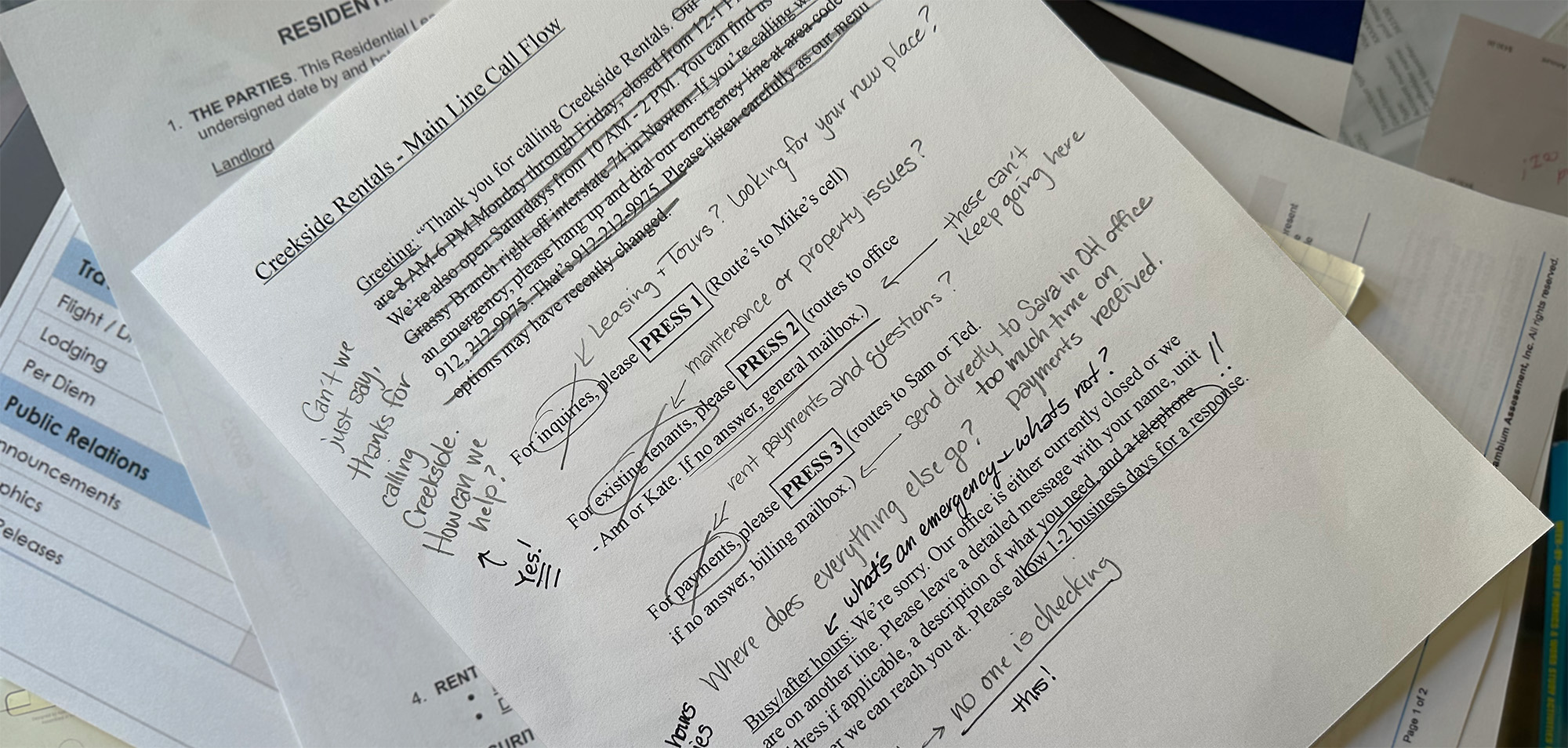
They could have searched online, sent an email, or bought from a competitor. Instead, they chose your most direct customer touchpoint—raising their hand to talk directly to you. Yet somewhere along the way, modern business began treating that hand-raise as an interruption—a cost to minimize, a queue to manage, or a menu of rules for the caller to follow.
As Lon Baker, our COO, pointed out in our recent conversation: “Somebody who’s calling you is already giving you a chance.” The real question is what we choose to do with that chance.
We aren’t getting worse at communicating; we’re just becoming less tolerant of communication that wastes our time. Context is what transforms an interaction into a relationship. It is the difference between recognizing someone and treating a customer like a stranger who has to explain themselves all over again.
“Anywhere the customer has to do homework, we’re doing something wrong,” Lon noted. Why should a caller have to successfully decode your departmental organization just to have a decent call experience?
The goal of developing technology isn’t to see how much software we can erect between a business and a buyer. It is to see how much friction we can strip away.
In our latest podcast, Lon and I sat down to talk about this exact philosophy—how we refine new products, set strict demands for new technology, and ensure our tools protect human connection rather than getting in its way. If you’re interested in how product design can respect human time and attention, it’s a conversation worth watching.
👉 Watch or listen to the full podcast discussion with Lon & Abi
P.S. Want to see how we’re applying these product principles to AI call routing? Explore VirtualPBX AI Voice.